Signs It's Time to Call a Residential Plumber
Maintaining a functional home requires consistent attention to underlying infrastructure, particularly the intricate network of clean water supply lines and wastewater removal systems. Homeowners frequently overlook subtle changes in water flow velocity or minor fixture performance degradation, assuming these indicators are merely temporary inconveniences rather than early warnings of systemic failure. Recognizing when it is appropriate to contact a professional residential plumber can successfully prevent localized mechanical malfunctions from escalating into severe, expensive structural damage. Early diagnostic intervention ensures the long-term structural integrity of household piping arrays, maintains domestic water purity, and optimizes utility expenditures.
Proactive property management involves understanding the operational limits of standard plumbing fixtures, pressurized lines, and primary distribution networks throughout the building. While basic do-it-yourself adjustments can address surface-level anomalies, complex drainage networks, pressure regulation devices, and thermal heating systems require licensed technical expertise to handle safely. Neglecting persistent warnings can result in sudden pipe bursts, widespread foundation decay from hidden leaks, and toxic mold growth within internal wall cavities. Evaluating specific physical symptoms within your home provides necessary empirical clarity on when professional diagnostic tools and interventions become mandatory.
Identifying and Repairing Persistent Drips
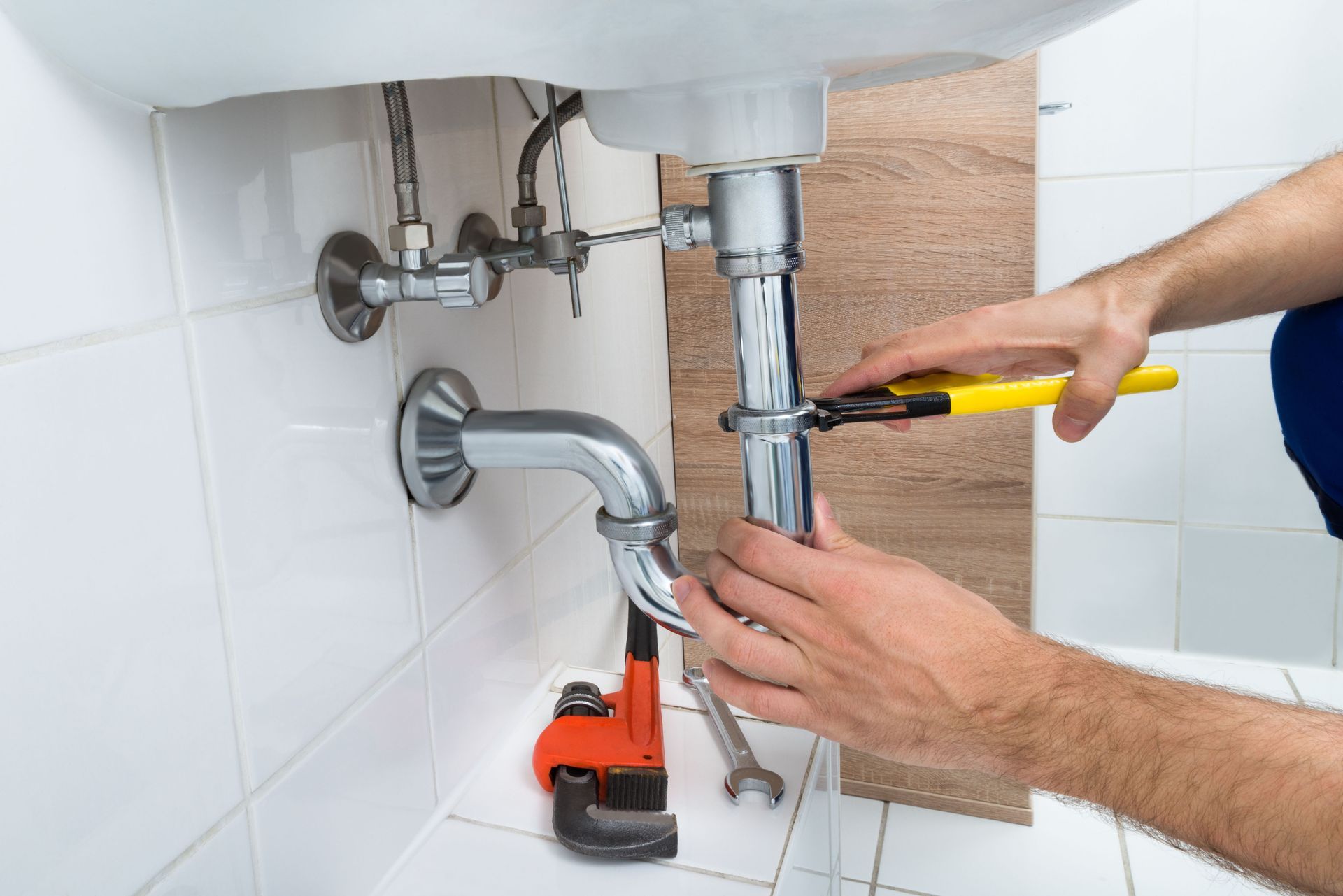
Dripping faucets represent one of the most widespread, recognizable, yet frequently dismissed mechanical failures in modern households. A consistent, rhythmic drip indicates that internal seals, rubber washers, pliable O-rings, or ceramic valve seats have steadily degraded over time due to constant mechanical friction and corrosive mineral accumulation. While a single drop of water appears completely inconsequential in the short term, the cumulative volumetric output of unceasing leaks poses a substantial challenge to resource conservation. Homeowners often underestimate how quickly minor leaks compromise the underlying structural integrity of the surrounding fixture assembly.
The financial and environmental ramifications of neglected plumbing fixtures are easily measurable, highly significant, and continuously compounding over months of inaction. According to the Environmental Protection Agency, a leaky faucet that drips at the rate of one drip per second can waste more than 3,000 gallons of water per year. This continuous waste directly inflates municipal utility bills while putting unnecessary, artificial strain on local subterranean wastewater treatment systems. Resolving these localized leaks promptly through professional repair preserves household capital, stabilizes utility budgeting, and prevents the premature aesthetic and functional deterioration of premium kitchen and bathroom components.
Over time, unchecked moisture originating from a dripping faucet damages structural materials far beyond the visible boundaries of the plumbing network itself. Water pooling around bathroom baseboards, kitchen countertops, and under-sink storage cabinets creates a high-humidity microclimate highly conducive to rapid microbial growth, fungal colonization, and subfloor wood rot. Attempting to force a leaking faucet shut by over-tightening the handle manually often exacerbates internal valve seat damage, necessitating a complete fixture replacement. Securing the services of a certified residential plumber ensures an accurate diagnosis of the underlying cause, whether it stems from structural corrosion, high water pressure, or faulty initial installation.
Managing Slow or Clogged Drainage Systems
Drainage systems rely entirely on gravity, proper pipe grading, and completely unobstructed pathways to move greywater and solid waste away from living spaces efficiently. When water begins to pool in sinks, showers, or tub basins, it signals a distinct restriction in volumetric flow caused by the dense accumulation of foreign material. Typical blockages form gradually as hair strands, solidified cooking fats, soap scum residues, and structural minerals bind together along inner pipe walls. Ignoring a slow drain allows these sticky deposits to calcify over time, transforming a simple partial obstruction into a complete, hardened blockage.
Chemical solutions often rely on aggressive exothermic reactions or highly corrosive acids that can permanently weaken older metallic or polyvinyl chloride (PVC) piping networks. Furthermore, these surface-level retail treatments rarely clear the entire internal diameter of the pipe, leaving sticky chemical residues that actually accelerate future clogging cycles by trapping passing debris. Professional diagnostic methods, such as utilizing specialized waterproof sewer cameras, allow a residential plumber to view internal obstructions directly without causing mechanical or chemical harm to the system.
Diagnosing and Correcting Low Water Pressure
Consistent water pressure is essential for the proper, sanitary operation of modern sanitation fixtures and specialized household appliances like filtration systems. A sudden or gradual reduction in flow velocity indicates a distinct disruption in the equilibrium between the municipal water supply lines and the residential delivery network. This frustrating loss of volumetric force can stem from hidden structural leaks, extensive internal pipe corrosion, or malfunctioning pressure-regulating valves within the property boundary. Pinpointing the source requires a methodical, system-wide evaluation of whether the pressure drop is isolated to a single plumbing fixture or distributed across the entire property infrastructure.
When diminished water pressure is isolated to an individual faucet or showerhead, the issue usually involves localized mineralization, sediment buildup, and debris. High mineral content in municipal water supplies leaves stubborn calcium deposits within aerators and internal mixing valves, narrowing the physical pathway available for water transit. Entrusting these pressure fluctuations to an experienced residential plumber ensures that supply lines are balanced accurately, restoring optimal volumetric delivery safely throughout the building architecture.
Troubleshooting Failing Water Heating Equipment
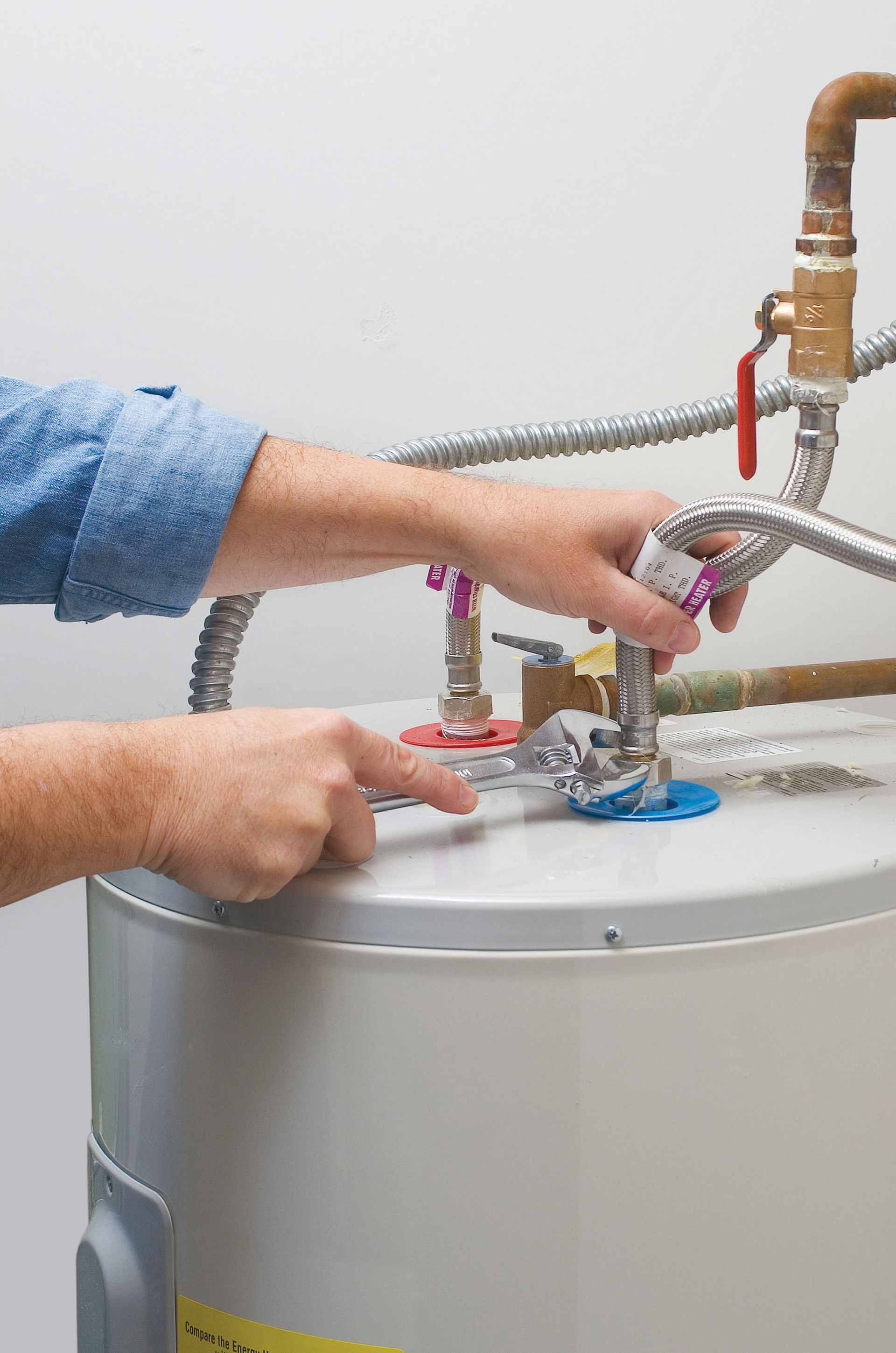
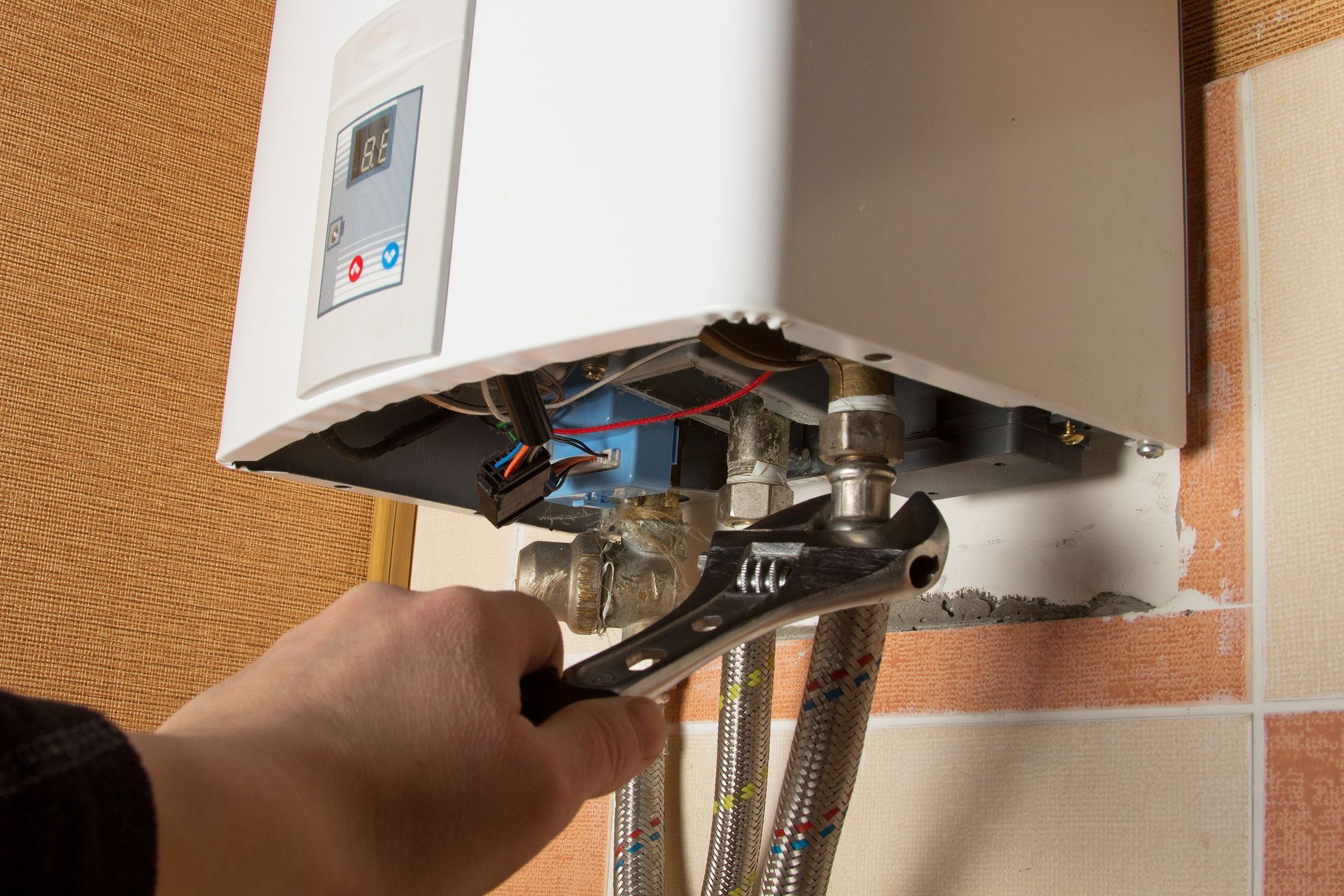
Water heaters are complex thermal systems that require a continuous, delicate balance between pressure management, fuel delivery, and structural water containment. When a water heater begins to fail, it typically exhibits distinct operational warnings, such as unexpected structural noises or noticeable temperature fluctuations during use. Popping, banging, or rumbling sounds coming from the tank indicate that dissolved minerals have precipitated out of the water, forming a thick layer of calcified sediment at the base. This sediment layer acts as a thermal barrier, causing the burner assembly to overheat the tank bottom and compromise the structural integrity of the steel enclosure.
Temperature inconsistencies, such as a rapid depletion of hot water during a standard shower or total thermal failure, point toward malfunctioning internal mechanical components. Physical leakage around the base of a water heater tank signifies an urgent mechanical crisis that requires immediate professional evaluation, isolation, and containment. Routine maintenance by a skilled residential plumber, including flushing sediment accumulations and inspecting sacrificial anode rods, can double the functional lifespan of the thermal unit.
Mitigating Emergency Overflows and System Backups
An overflowing toilet or major sewer backup constitutes a severe, high-priority plumbing emergency that threatens residential hygiene, indoor air quality, and property value. Liquid overflow introduces dangerous pathogens and contaminated greywater into living areas, necessitating immediate mechanical containment and specialized biohazard remediation protocols. These events typically happen when the primary drainage pathway is entirely blocked, forcing waste downward until it finds the lowest available exit point, often a shower pan or floor drain. Understanding the immediate mechanics of main water shut-off valves is the first line of defense for a property owner during an active overflow event.
Recurring structural blockages or slow-flushing toilets often point to systemic infrastructure failures rather than simple, localized obstructions within the ceramic fixture. Overuse of heavy paper products or the accidental introduction of non-biodegradable items into the waste stream creates dense plugs within the underlying trapway. If a standard manual plunger fails to clear the obstruction, continuing to flush will only increase the volume of contaminated water escaping the fixture bowl. Professional intervention utilizing specialized mechanical snakes or high-pressure hydro-jetting equipment becomes essential to clear the pathway completely without fracturing fragile vitreous china components.
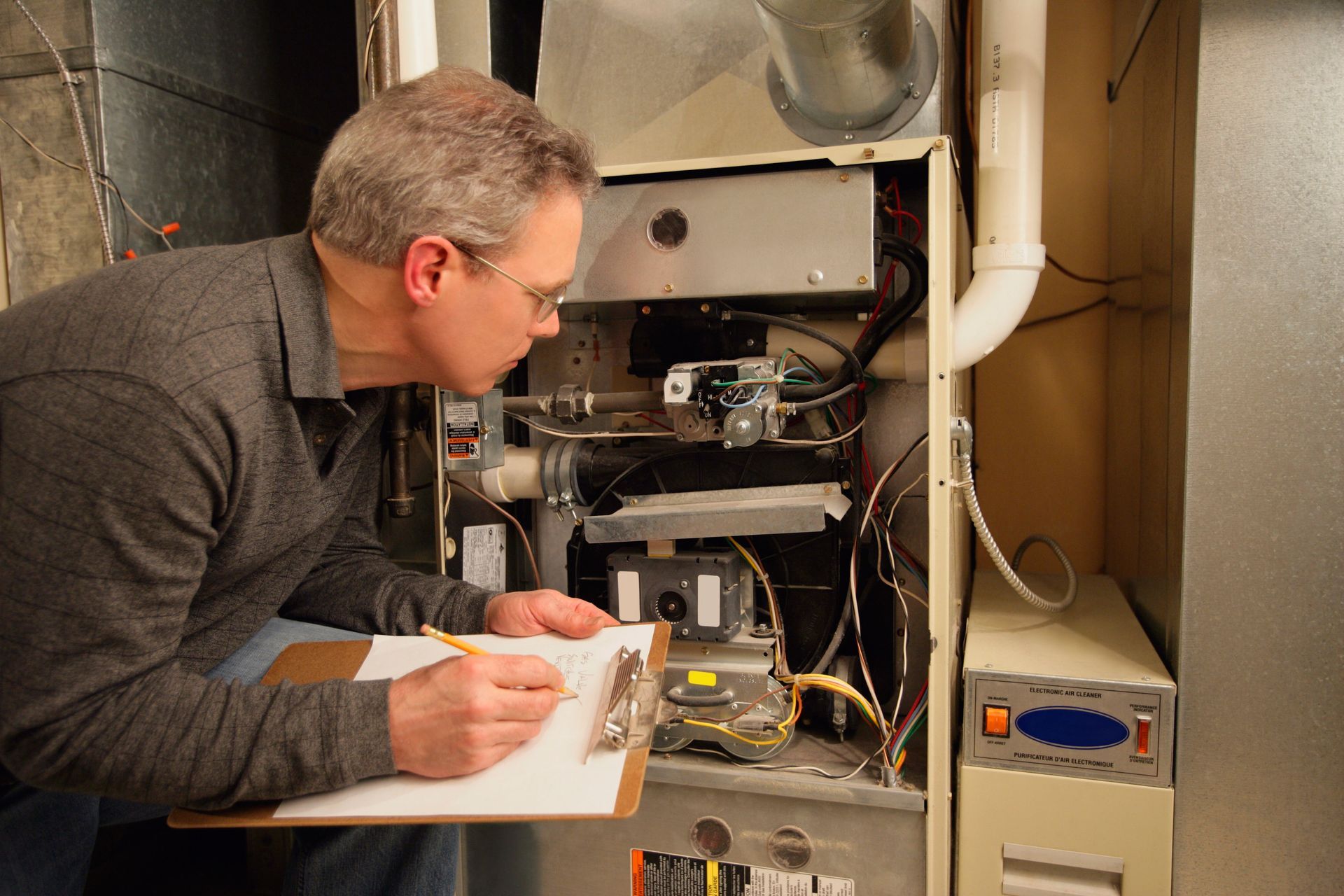
Maintaining a completely reliable home infrastructure demands a proactive approach to identifying and resolving mechanical anomalies before they escalate. Ignoring minor indicators such as slow-moving drains, localized drops in water pressure, or small fixture leaks inevitably leads to extensive structural damage and inflated utility bills. Investing in routine professional assessments ensures that hidden vulnerabilities within piping networks, thermal heating units, and drainage systems are corrected using code-compliant methodologies. Ultimately, establishing a relationship with a certified service provider safeguards your property investments and enhances long-term domestic operational security. For more information about the services that we offer, reach out to our incredible team at Fagnelli Plumbing Heating & Cooling today!